
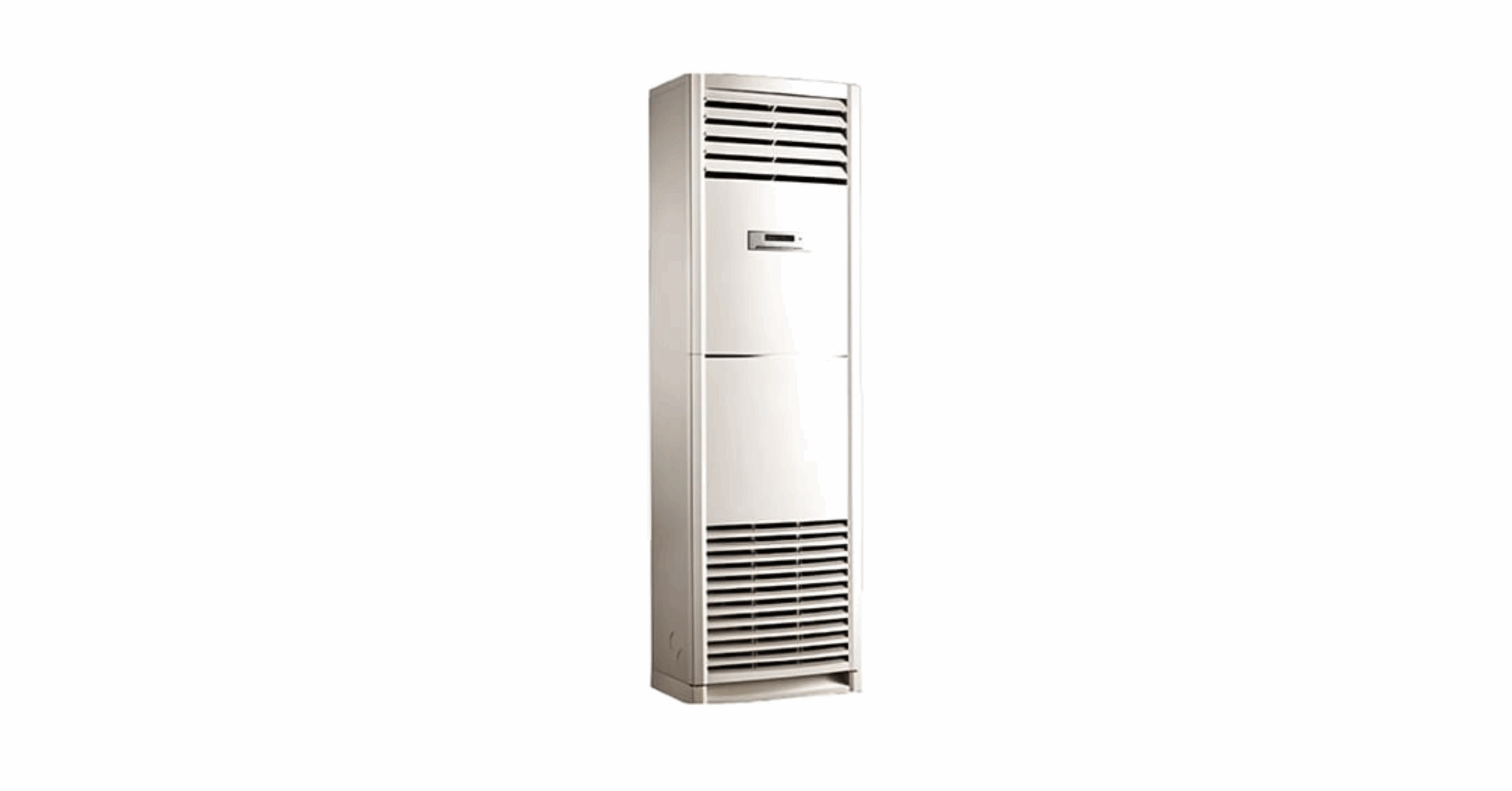
The Vital Role of Ship Air Conditioning Units in Marine Environments
Life at sea presents a range of environmental challenges, from unpredictable weather conditions to fluctuating humidity levels and extreme temperatures. One essential system that plays a crucial role in ensuring the comfort and functionality of marine vessels is the Ship Air Conditioning Units These systems are not just a luxury; they are a necessity for modern marine operations, helping maintain a livable environment, protect sensitive equipment, and enhance crew productivity.
Understanding Ship Air Conditioning Systems
Ship air conditioning units differ significantly from their land-based counterparts. Marine environments demand specialized systems capable of withstanding harsh saltwater conditions, limited space availability, and varying power supply constraints. Unlike residential or commercial units, ship HVAC (heating, ventilation, and air conditioning) systems are engineered for durability, efficiency, and consistent performance even in the most challenging conditions.
These units are commonly installed in various sections of a ship, including control rooms, cabins, engine rooms, and dining areas. Given the closed environment of a vessel, proper air conditioning is necessary not only for comfort but also for health and safety. Temperature control prevents the buildup of mold and mildew, improves air quality, and ensures that vital onboard systems continue to function without overheating.
Types of Marine Air Conditioning Units
There are several types of ship air conditioning units, each designed for specific use cases and vessel sizes:
-
Self-Contained Units: These are compact systems ideal for smaller boats or yachts. They contain all components within one housing and are relatively easy to install.
-
Split Systems: With the condenser and evaporator housed separately, split systems are used in medium-sized vessels. This separation allows for quieter operation and better heat management.
-
Chilled Water Systems: Typically found on larger commercial or cruise ships, these systems use chilled water distributed throughout the vessel to cool various areas. They offer centralized control and are efficient for managing large-scale climate needs.
-
Floor-Standing Units: These are robust, high-capacity air conditioners designed for specific sections of a ship where wall or ceiling-mounted units are not feasible. They are popular for their strong airflow and ease of access for maintenance.
Why Ship Air Conditioning Units Are Critical
The marine environment can be incredibly demanding, and without proper climate control, it can become a breeding ground for various issues. Here’s why ship air conditioning units are indispensable:
1. Crew Comfort and Productivity
Extended time at sea can be mentally and physically taxing. Proper air conditioning ensures that the crew enjoys a comfortable living and working environment, which directly influences their morale and efficiency. A controlled temperature helps improve sleep quality, focus, and overall well-being.
2. Equipment Protection
Modern ships are equipped with high-tech navigation, communication, and control systems. These electronics are highly sensitive to temperature and humidity. Without efficient ship air conditioning units, there’s a risk of overheating or moisture damage, which can lead to costly repairs or system failures.
3. Health and Hygiene
Airborne contaminants, mold spores, and high humidity can lead to respiratory problems and hygiene issues onboard. Ship air conditioning units help regulate humidity and filter out pollutants, thereby creating a healthier atmosphere. This is particularly important for passenger ships where the risk of disease transmission is higher.
4. Operational Efficiency
A well-regulated internal environment reduces the strain on other systems, such as refrigeration and power generation units. By maintaining a stable temperature, air conditioning units help optimize the energy efficiency of the entire vessel.
Innovations in Marine HVAC Technology
Technological advancements have led to more energy-efficient and environmentally friendly ship air conditioning units. Some of the latest features include:
-
Variable speed compressors that adjust cooling capacity based on real-time needs, reducing power consumption.
-
Smart control systems that monitor temperature, humidity, and air quality across different zones on the vessel.
-
Eco-friendly refrigerants that minimize environmental impact and comply with international marine regulations.
-
Modular designs that make installation and maintenance easier, even in the compact spaces of a ship’s interior.
These innovations not only reduce operating costs but also contribute to the sustainability goals of the shipping industry.
Installation and Maintenance Considerations
Installing air conditioning on a ship involves a thorough understanding of the vessel’s layout, power systems, and operational requirements. Professionals typically perform a detailed assessment to determine the most effective system configuration. Factors such as air circulation, noise levels, accessibility, and corrosion resistance all play a part in the selection process.
Regular maintenance is essential to keep ship air conditioning units running optimally. This includes:
-
Cleaning or replacing air filters.
-
Inspecting ducts and vents for blockages.
-
Checking refrigerant levels and system pressure.
-
Ensuring coils and fins are free from salt buildup and corrosion.
-
Verifying that electrical connections are secure.
Neglecting maintenance can lead to system inefficiencies, higher energy usage, and eventual failure.
Applications in Different Marine Vessels
The need for effective air conditioning spans across various types of marine vessels:
-
Cruise Ships: Comfort is paramount for passengers, making reliable climate control systems a top priority.
-
Cargo Ships: Even though fewer people may be onboard, equipment and control rooms still require precise temperature regulation.
-
Naval Vessels: Operational readiness depends on well-maintained systems, including climate control.
-
Fishing Boats: Preserving the catch and ensuring crew comfort in hot or cold conditions is essential.
-
Offshore Platforms: Often considered stationary ships, these platforms require robust and scalable HVAC solutions.
No matter the type of vessel, the role of air conditioning remains a cornerstone of marine engineering and operations.
Choosing the Right Supplier
When selecting ship air conditioning units, it is crucial to choose a reputable supplier with experience in marine HVAC systems. Look for a company that offers:
-
A range of product types including floor-standing, self-contained, and chilled water systems.
-
Customization based on ship specifications.
-
Certified and compliant systems that meet marine safety and environmental standards.
-
Strong after-sales support including installation, maintenance, and spare parts availability.
Working with a trusted supplier ensures not only product quality but also the assurance of long-term performance and reliability.
Conclusion
As maritime operations continue to evolve, the need for reliable and efficient ship air conditioning units becomes even more pressing. These systems serve as the backbone of environmental control on vessels, affecting everything from human health and safety to equipment reliability and fuel efficiency. Whether on a luxury cruise liner or a rugged cargo vessel, investing in high-quality air conditioning is an operational imperative that cannot be overlooked. For any ship to perform optimally under the wide range of conditions it faces at sea, a robust and efficient air conditioning system is not just an option—it is a necessity.