
Cerebral Palsy Stem Cell Treatment India: A Ray of Hope for Patients
Cerebral palsy is one of the most challenging neurological disorders, often diagnosed in early childhood, and it can significantly affect motor functions, muscle control, posture, and movement. Families across the globe continuously seek effective therapies that go beyond conventional treatments to improve the quality of life for children and adults with this condition. In recent years, Cerebral Palsy Stem Cell Treatment India has emerged as a promising approach, offering new possibilities for patients and caregivers who are striving for better outcomes. With India becoming a leading destination for advanced regenerative therapies, this treatment is gaining attention for its effectiveness, affordability, and accessibility.
Understanding Cerebral Palsy and Its Challenges
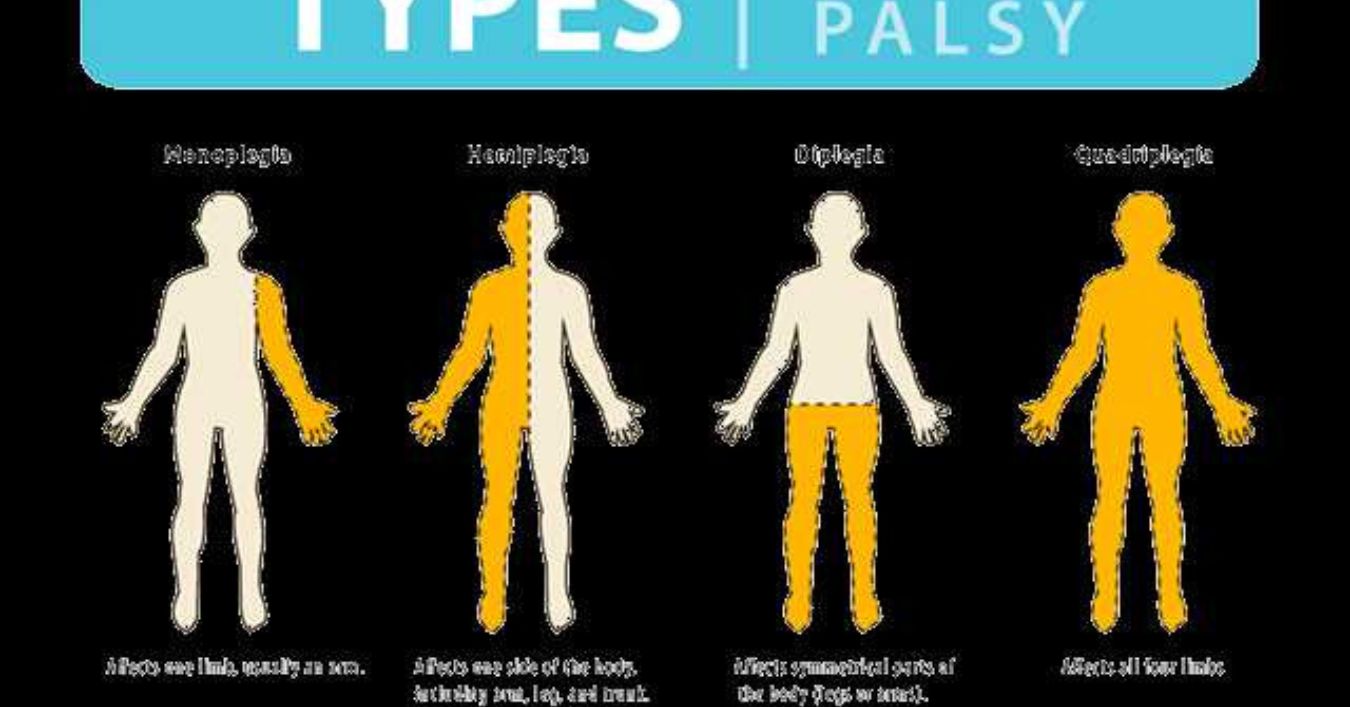
Cerebral palsy (CP) is a non-progressive disorder caused by abnormal brain development or damage to the developing brain, usually before or during birth, or in the first few years of life. The effects vary widely, ranging from mild coordination issues to severe physical and cognitive impairments.
Key challenges faced by individuals with CP include:
-
-
Difficulty with motor skills such as walking, balancing, and fine hand movements
-
Speech and communication issues
-
Muscle stiffness, spasticity, or involuntary movements
-
Developmental delays and learning disabilities
-
Frequent need for long-term therapy and care
-
Traditional treatments involve a combination of physiotherapy, occupational therapy, medications for muscle relaxation, orthopedic surgery, and supportive devices. While these interventions help manage symptoms, they do not repair the underlying brain damage. This is where regenerative medicine, particularly stem cell therapy, brings new hope.
What Is Stem Cell Therapy for Cerebral Palsy?
Stem cells are unique because they have the potential to regenerate and repair damaged tissues. In cerebral palsy, the therapy involves using stem cells to promote neurogenesis (the growth of new brain cells), improve brain connectivity, and reduce inflammation.
Sources of stem cells used in treatment may include:
-
-
Bone marrow-derived stem cells
-
Umbilical cord blood stem cells
-
Adipose (fat) tissue-derived stem cells
-
These cells are harvested, processed, and then administered to the patient, either through intravenous infusion or intrathecal injection (into the cerebrospinal fluid). The goal is to repair damaged neural pathways, enhance neuroplasticity, and improve motor and cognitive functions.
Why India Is Becoming a Global Hub for Stem Cell Therapy
India has quickly risen as a global leader in regenerative medicine, attracting patients worldwide. Several factors contribute to this growth:
-
-
Cost-Effective Treatment – The cost of Cerebral Palsy Stem Cell Treatment India is significantly lower compared to Western countries, making it accessible for more families.
-
Advanced Medical Infrastructure – Leading hospitals and clinics in India are equipped with cutting-edge laboratories and internationally accredited facilities.
-
Experienced Specialists – Indian doctors and researchers have vast experience in regenerative medicine, ensuring high standards of safety and care.
-
Customized Treatment Plans – Clinics in India focus on patient-specific approaches, combining stem cell therapy with physiotherapy, occupational therapy, and speech therapy for holistic care.
-
Fewer Waiting Times – Unlike in many developed countries, where medical approvals can take months, India offers quicker access to treatment.
-
Benefits of Stem Cell Therapy for Cerebral Palsy
Research and clinical results have shown that stem cell therapy can bring measurable improvements for patients with cerebral palsy. Some of the reported benefits include:
-
-
Improved motor skills: Enhanced ability to walk, balance, and control muscle movements.
-
Better muscle tone: Reduction in spasticity and stiffness.
-
Speech and cognitive improvements: Positive effects on communication, comprehension, and learning abilities.
-
Enhanced coordination and posture: Patients gain more independence in daily activities.
-
Slowing of disease progression: Preventing secondary complications that often arise with CP.
-
It is important to note that results vary from patient to patient, depending on age, severity of the condition, and the number of stem cell doses administered.
The Procedure of Stem Cell Treatment in India
The process of Cerebral Palsy Stem Cell Treatment India is conducted with precision, safety, and in compliance with medical regulations. The general steps include:
-
-
Initial Evaluation – Doctors assess the patient’s medical history, severity of CP, and suitability for stem cell therapy.
-
Stem Cell Collection – Cells are extracted from bone marrow, umbilical cord, or adipose tissue.
-
Processing and Enrichment – In state-of-the-art laboratories, the stem cells are purified, concentrated, and prepared for transplantation.
-
Administration – The cells are introduced into the patient’s body through intravenous or intrathecal routes.
-
Rehabilitation and Supportive Therapy – Physiotherapy, speech therapy, and occupational therapy are continued to maximize the benefits of stem cell regeneration.
-
Follow-Up Monitoring – Regular check-ups are conducted to evaluate improvements and address any issues.
-
Safety and Ethical Considerations
One of the major concerns for parents and caregivers is safety. In India, reputable clinics follow international protocols and ethical guidelines while conducting stem cell therapy. Autologous stem cells (derived from the patient’s own body) are often used, which minimizes the risk of immune rejection. Additionally, non-invasive methods of extraction and transplantation ensure patient safety and comfort.
Clinical studies have reported that stem cell therapy is generally well tolerated, with minimal side effects such as mild headache, fatigue, or temporary pain at the injection site.
Future of Cerebral Palsy Treatment in India
As research continues, stem cell therapy is expected to become even more effective in reversing the damage caused by cerebral palsy. Scientists are exploring advanced techniques such as gene-edited stem cells, neural progenitor cells, and exosome therapy to further enhance outcomes.
India’s commitment to medical research, combined with affordability and accessibility, ensures that the country will remain a leading hub for regenerative treatments in the years to come. Families seeking cutting-edge care are increasingly choosing India as their preferred destination for cerebral palsy therapies.
Conclusion
Cerebral palsy is a lifelong condition that impacts not only the patient but also their families. Traditional treatments provide symptom management, but they do not address the root cause of brain damage. Stem cell therapy offers a revolutionary alternative by repairing, regenerating, and revitalizing damaged neural tissues.
With world-class healthcare infrastructure, experienced specialists, and cost-effective treatment plans, Cerebral Palsy Stem Cell Treatment India is emerging as a beacon of hope for patients from across the globe. While the therapy is not a guaranteed cure, it represents a significant advancement in improving motor skills, reducing symptoms, and enhancing the overall quality of life for children and adults living with cerebral palsy.