
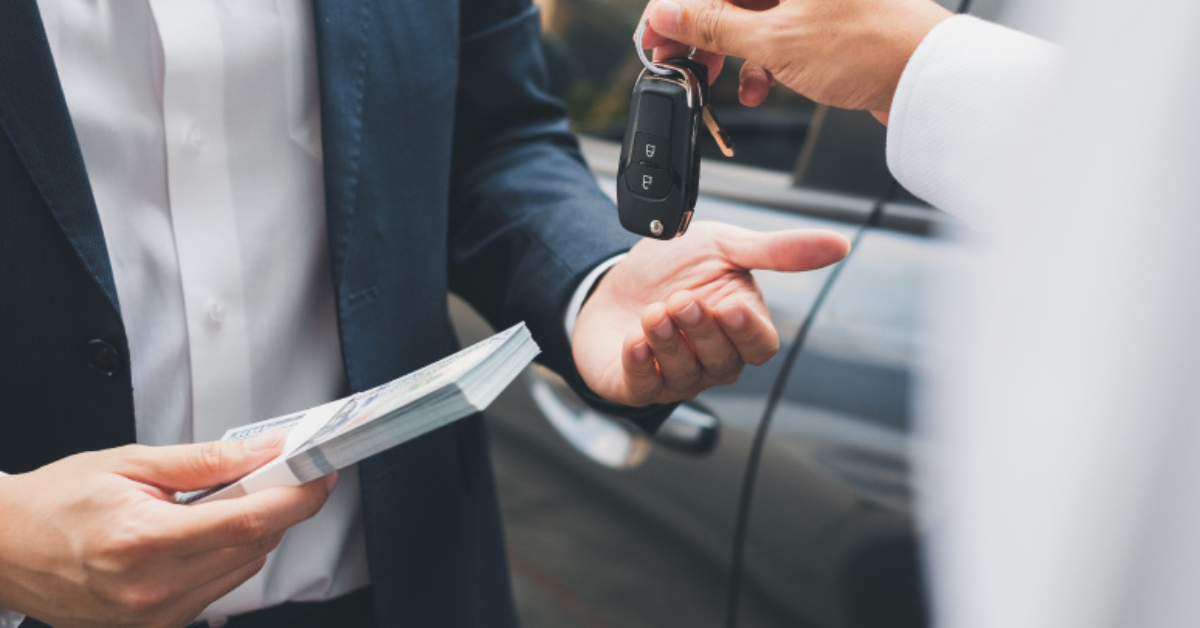
How to Sell Your Car Smoothly and Get the Best Value
Selling a car can feel overwhelming, especially if you’ve never done it before. But whether you’re upgrading to a new vehicle or simply trying to free up space and cash, the process doesn’t have to be complicated. If you’re asking yourself how to Sell Car quickly and for a fair price, there are some key steps you can take to make the journey smooth and rewarding.
From preparing your car to finding the right buyer and handling the paperwork, this guide will walk you through every detail you need to know. Let’s explore how you can successfully navigate the car-selling process.
1. Know When It’s the Right Time to Sell
Timing plays a big role in how much money you’ll get for your vehicle. Car values fluctuate depending on supply, demand, and season. For instance, convertibles tend to fetch higher prices in spring or summer, while SUVs may be in demand during the colder months.
Economic trends, fuel prices, and new car releases can also affect resale value. Pay attention to your car’s mileage too — vehicles with less than 100,000 km tend to sell quicker and command better prices.
2. Understand Your Car’s Value
Before you set a price, research your car’s current market value. Look up similar makes, models, years, and conditions online. This will give you a good idea of what buyers are willing to pay. You can use free valuation tools or even get an appraisal from professionals.
It’s also important to be realistic. If your car has significant wear and tear, or if it’s an older model, be prepared for the value to be lower than expected. On the other hand, if your car is in excellent condition with low mileage and regular maintenance, you might be able to price it higher.
3. Prepare Your Car for Sale
First impressions count — and this is especially true when you’re trying to sell car to a new owner. Make sure your vehicle is clean, inside and out. Vacuum the carpets, polish the dashboard, and wash and wax the exterior. If necessary, get professional detailing to restore your car’s appeal.
Next, fix any minor issues. Replacing worn-out wipers, fixing small dents, topping off fluids, and making sure the lights are working can make a big difference in your car’s perceived value. If there are major problems, decide whether it’s worth investing in repairs or if it’s better to sell the car “as is” and adjust the price accordingly.
4. Gather All the Necessary Documents
No one wants to deal with paperwork — but having everything ready in advance makes the process much smoother for both you and the buyer. Essential documents include:
-
Vehicle registration
-
Road tax records
-
Insurance documents
-
Service and maintenance records
-
Loan clearance letter (if applicable)
-
Ownership transfer forms
Having all this in order shows the buyer that you’re organized and trustworthy. It can also help close the deal faster.
5. Choose the Best Way to Sell
You have several options when it comes to selling your car, each with its pros and cons:
a. Private Sale
This method typically yields the highest price since there’s no middleman. You can list your vehicle on car-selling platforms, social media, or classifieds. The downside is that it can take more time and effort to find a buyer and negotiate a deal.
b. Car Dealership
Dealerships can offer you a quick sale, but they often pay less than what you might get through a private sale. However, it’s a hassle-free option if you’re looking for convenience.
c. Consignment
With consignment, a dealer sells your car on your behalf. They handle the advertising and negotiations, then take a cut of the final sale. This is a good option if you don’t want to deal with buyers directly.
d. Car Buying Services
There are services that specialize in helping people sell car quickly. These platforms offer instant valuation and direct purchase options, often completing the entire process in a few days.
6. Advertise Smartly
A strong ad can make a big difference in attracting potential buyers. Include clear, high-resolution photos from multiple angles — interior, exterior, engine bay, and tyres. Write an honest, informative description with details like:
-
Make, model, year
-
Mileage
-
Condition
-
Service history
-
Modifications (if any)
-
Asking price (and whether it’s negotiable)
Be upfront about any known issues. This builds trust and reduces time wasted on uninterested or skeptical buyers.
7. Screen and Negotiate With Buyers
Once inquiries start coming in, be ready to answer questions and schedule viewings or test drives. Make sure you meet in a safe, public place and ideally bring someone along with you.
Be prepared for negotiations. Buyers will almost always ask for a discount, so price your car slightly higher to leave room for bargaining. Stick to your minimum acceptable price, and don’t feel pressured to close the deal unless you’re comfortable.
8. Close the Deal Properly
Once you’ve agreed on a price, it’s time to finalize the sale. Make sure you complete all necessary paperwork, including ownership transfer and any required notifications to the road authority. Accept payment in a secure form — bank transfer or cashier’s cheque is usually safest.
After the sale, remember to cancel your insurance or transfer it to your next vehicle.
9. Avoid Common Mistakes
To sell car without headaches, avoid these common pitfalls:
-
Overpricing your vehicle: This can delay the sale and reduce buyer interest.
-
Hiding problems: It can backfire and ruin trust.
-
Incomplete paperwork: This can lead to legal complications.
-
Accepting unsafe payment methods: Always choose secure and traceable transactions.
10. Why a Trusted Platform Can Make a Difference
If you’re feeling unsure or want to skip the hassles of dealing with buyers directly, consider using a professional service that helps people sell car with speed and confidence. Trusted platforms handle valuation, inspections, negotiations, and even paperwork — making the experience smoother from start to finish.
These services are especially valuable if you’re short on time or looking for a quick, fair offer without the back-and-forth of traditional selling methods.
Conclusion
Selling your car doesn’t have to be stressful. With the right preparation, knowledge, and approach, you can sell car at a fair price without unnecessary delays or risks. Whether you go the private route or choose a convenient car-buying service, being informed is your greatest asset.
Take the time to research, prep your vehicle, and choose the best platform for your needs — and soon enough, you’ll have successfully sold your car and moved on to your next adventure.